


Why Do Some Flowers Not Go Together in One Bouquet?
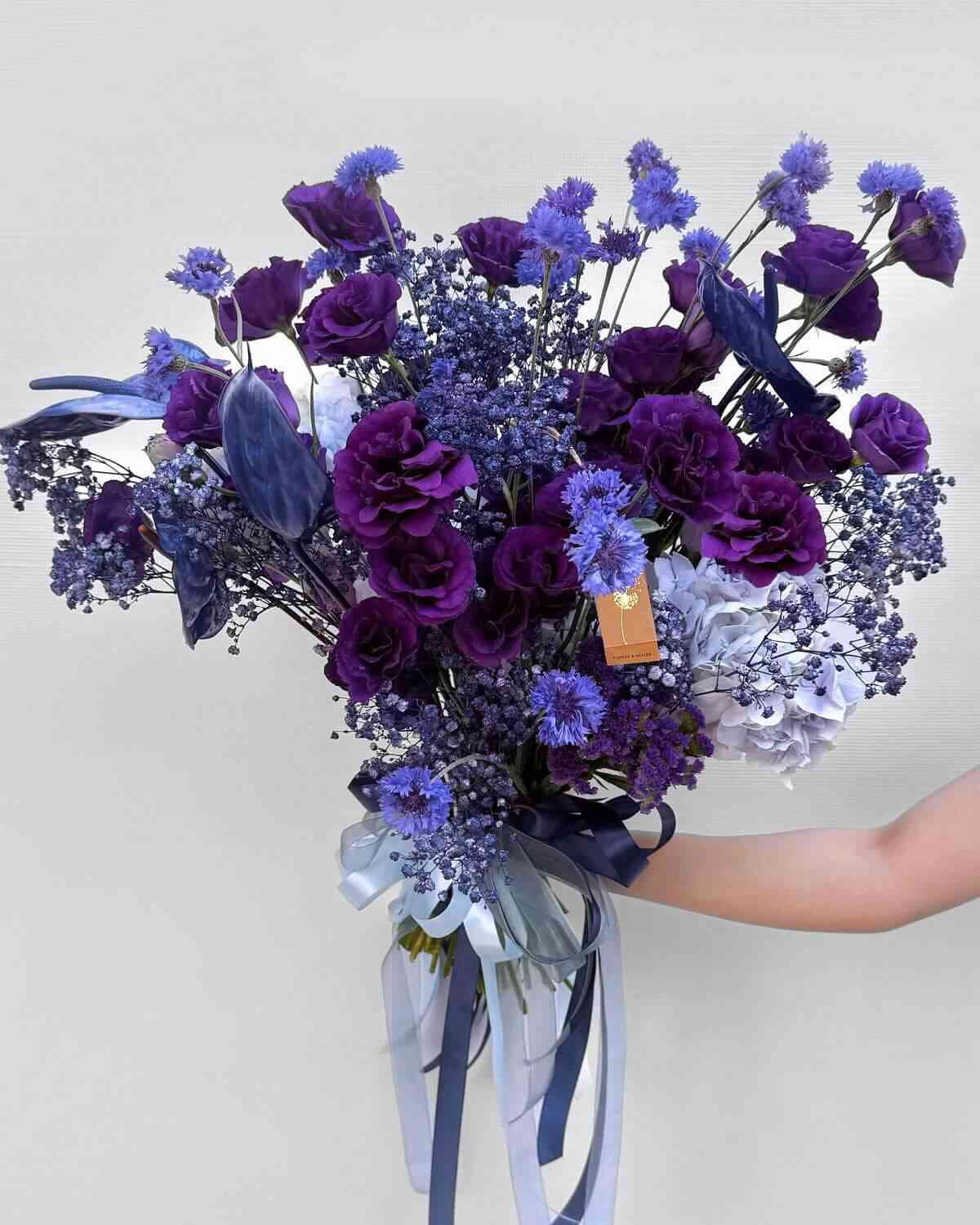
In the world of floral design, flowers aren't just pretty faces; they are living organisms with distinct personalities, chemical signatures, and competitive streaks. Let’s dive into the science and art of flower compatibility to ensure your next gift doesn't turn into a botanical battlefield.
What Does Flower Compatibility in a Bouquet Mean?
When we talk about compatibility, we aren’t just talking about whether the colors look "cute" together. True compatibility refers to the biological harmony between different species sharing the same water source.
Think of a bouquet as a tiny, temporary ecosystem. Some flowers are "team players", they thrive in shared environments and don't mind neighbors. Others are "divas" or even "bullies." Compatibility means choosing stems that have similar needs for light and temperature, but more importantly, ensuring they don't release substances that are toxic to their companions.
Why Incorrect Flower Combinations Can Shorten a Bouquet’s Lifespan?
The biggest enemy of a long-lasting bouquet is often the "Selfish Stem." When you order flowers, you expect them to stay fresh, but certain species release mucus or ethylene gas that can be lethal to others.
- Sap Toxicity: Many bulbous plants, like Narcissus (daffodils), leak a thick, toxic slime when cut. This sap can clog the "veins" (xylem) of other flowers, preventing them from drinking water.
- Ethylene Sensitivity: Some flowers are highly sensitive to ethylene, a ripening hormone. If paired with high-producers, they will age prematurely, turning brown and dropping petals within 48 hours.
When you ignore these chemical interactions, you aren't just making a design choice; you’re accidentally setting a countdown timer on your bouquet's life.
How to Choose the Right Flower Combinations for a Bouquet?
Creating a balanced arrangement is about matching the "Vibe and Vitality" of the blooms. Professional designers use three main criteria:
- Hydration Needs: Pair thirsty flowers (like Hydrangeas) together, or ensure they are in a medium where they won't steal water from more delicate stems.
- Hardiness: Don't pair very soft, delicate wildflowers with heavy, woody-stemmed tropicals. One will inevitably crush or outlast the other, making the bouquet look lopsided over time.
- The "Soaking" Rule: If you must use a "toxic" flower like a daffodil, professionals soak them in a separate container for 24 hours first. This allows the harmful sap to drain out before they join the rest of the flower bouquets.
Which Flower Combinations Are Dangerous and Why?
If you’re planning to order flowers or make your own, avoid these "toxic couples":
- Daffodils and Tulips: The narcissus sap is the primary villain here. It will cause tulips to wilt almost instantly.
- Roses and Carnations: While common in cheap grocery bunches, roses are often sensitive to the gases produced by carnations. They are better off as solo acts or paired with greenery.
- Lilies and Fruits: Never place your bouquet near a fruit bowl! Apples and bananas release massive amounts of ethylene that will kill your lilies in record time.
- Hyacinths and... Well, anything: Like daffodils, hyacinths are sap-leakers. They prefer to be in a "monobouquet" (a bouquet of only one type).
FAQ
What Care Do Flowers Require and How to Provide It in Bouquets?
To keep your flowers happy, follow the "Triple-C" rule: Clean, Cold, and Cut.
- Clean: Use a sterilized vase. Bacteria is the #1 killer of cut stems.
- Cold: Use cool water (unless dealing with bulb flowers, which prefer lukewarm). Keep the bouquet away from direct sunlight and heaters.
- Cut: Re-cut stems at a 45-degree angle every two days. This opens up new "straws" for the flower to drink through.
How to Combine Flowers of Different Colors and Heights in One Bouquet?
Designing for the eye is just as important as designing for biology.
- The Rule of Thirds: Your vase should be about one-third the total height of the arrangement.
- Color Theory: Use "Analogous" colors (neighbors on the color wheel like red, orange, and yellow) for a soothing look, or "Complementary" colors (opposites like purple and yellow) for high energy.
- Layering: Place your "Focal" flowers (the big, expensive ones) first, then fill in with "Linear" flowers (tall stalks like Snapdragons) to add height, and finally "Fillers" (like Baby's Breath) to bridge the gaps.