


Why Do People Prefer Different Flowers at Different Ages?
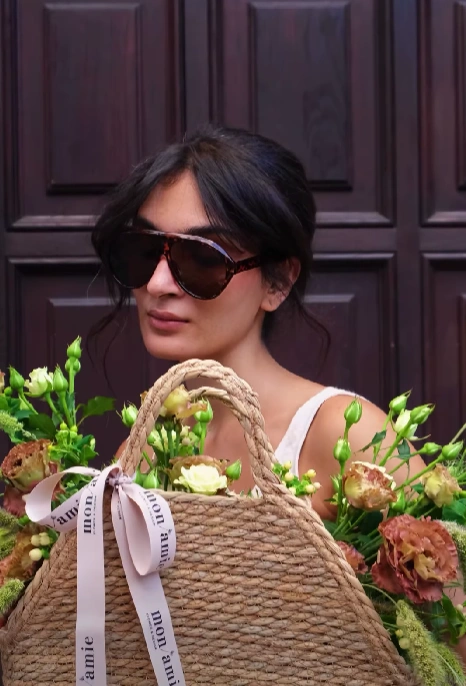
Walk into any flower shop and you'll quickly spot a pattern: the teenager eyeing a wild, messy bundle of field blossoms rarely picks the same arrangement as an older customer admiring a vase of structured, long-stemmed roses. Our taste in flowers isn't random. Much like our taste in music, clothes, or home decor, what draws us to a specific stem shifts as we grow, gain life experience, and change our daily routines.
If you find yourself choosing flowers for someone, paying attention to these age-related shifts makes the difference between sending a generic gift and one that actually hits home.
Why Do People's Flower Preferences Change with Age?
The way we experience the world naturally shifts across different decades of life. In our teens and twenties, we tend to love novelty, movement, and bold design. As the years pile on, our eyes start looking for calm, balance, and quiet quality over loud trends.
There is real flower psychology behind this. Young people often look for creativity and self-expression in a bouquet—they want something that feels spontaneous and fresh. Older adults, on the other hand, usually appreciate symmetry, lush textures, and the familiar comfort of classic blooms that bring warmth into a living space.
Which Flowers Are Most Popular Among Younger People?
If you hand a stiff, traditional arrangement to a Gen Z or millennial recipient, it might feel a little out of touch to them. Younger crowds almost always lean toward organic, earthy, and relaxed styles. Think dried lavender, pampas grass, fluffy gypsophila, and eucalyptus mixed with soft pastel stems or field flowers.
When sending flowers as a gift to a younger friend, keep in mind that packaging matters just as much as the petals. Brown craft paper, linen ties, or a clean cardboard box feel way more genuine to them than shiny plastic wraps or gold ribbons. They want a flower bouquet to look natural, effortless, and easy on the eyes.
Why Do Middle-Aged People Often Choose Classic Flowers?
As people move into middle age and beyond, their eye for quality, tradition, and fine details gets much sharper. This is the age group that gravitates toward heritage favorites: deep red roses, full peonies, fragrant lilies, and elegant orchids.
This isn't just about sticking to habit—it’s tied to traditional flower meanings built over generations. A mature recipient immediately recognizes the care and respect behind a well-crafted, premium arrangement. At this point in life, receiving a rich flower bouquet feels like a genuine nod to hard-earned relationships and milestone moments.
How to Choose Flowers Based on the Recipient's Age and Personality?
Age gives you a great head start, but pairing it with who the person actually is as an individual is where you win. If you're buying for an energetic, outgoing personality, go for bold pops of color like coral, deep purple, or unusual tropical stems. If they're quieter and more reflective, stick to muted blush tones, soft whites, or simple mono-botanical arrangements.
Using a little flower psychology keeps you from buying blind. When you match the mood of the bloom to both where someone is in life and how they carry themselves, choosing flowers stops being a chore and turns into a meaningful gesture they'll actually remember.
Frequently Asked Questions (FAQ)
- Which Flowers Are Suitable for People of All Ages?
White or blush roses, soft peonies, and fresh spring tulips are almost impossible to get wrong. They carry a clean, universal elegance that feels tasteful and welcoming to anyone, whether they are nineteen or ninety.
- Do the Occasion and the Nature of Your Relationship Influence the Choice of Flowers?
Definitely. A formal dinner or corporate gesture calls for polished, structured stems, while an anniversary or a close friend’s birthday gives you room to go personal, playful, or completely custom.
- Does the Color of Flowers Play an Important Role When Choosing Them?
Color carries immediate emotional weight when picking flowers as a gift. Bright reds and oranges bring high energy, soft creams and pinks express quiet affection, and clean whites bring a feeling of calm and sincerity.
Taking ten seconds to think about how someone's tastes change with age guarantees your bouquet lands the right way. When you combine basic flower psychology with a quick read on your recipient’s style, you'll easily pick a flower bouquet that feels like it was made just for them.