


Sunflowers. Why are they considered a symbol of success?
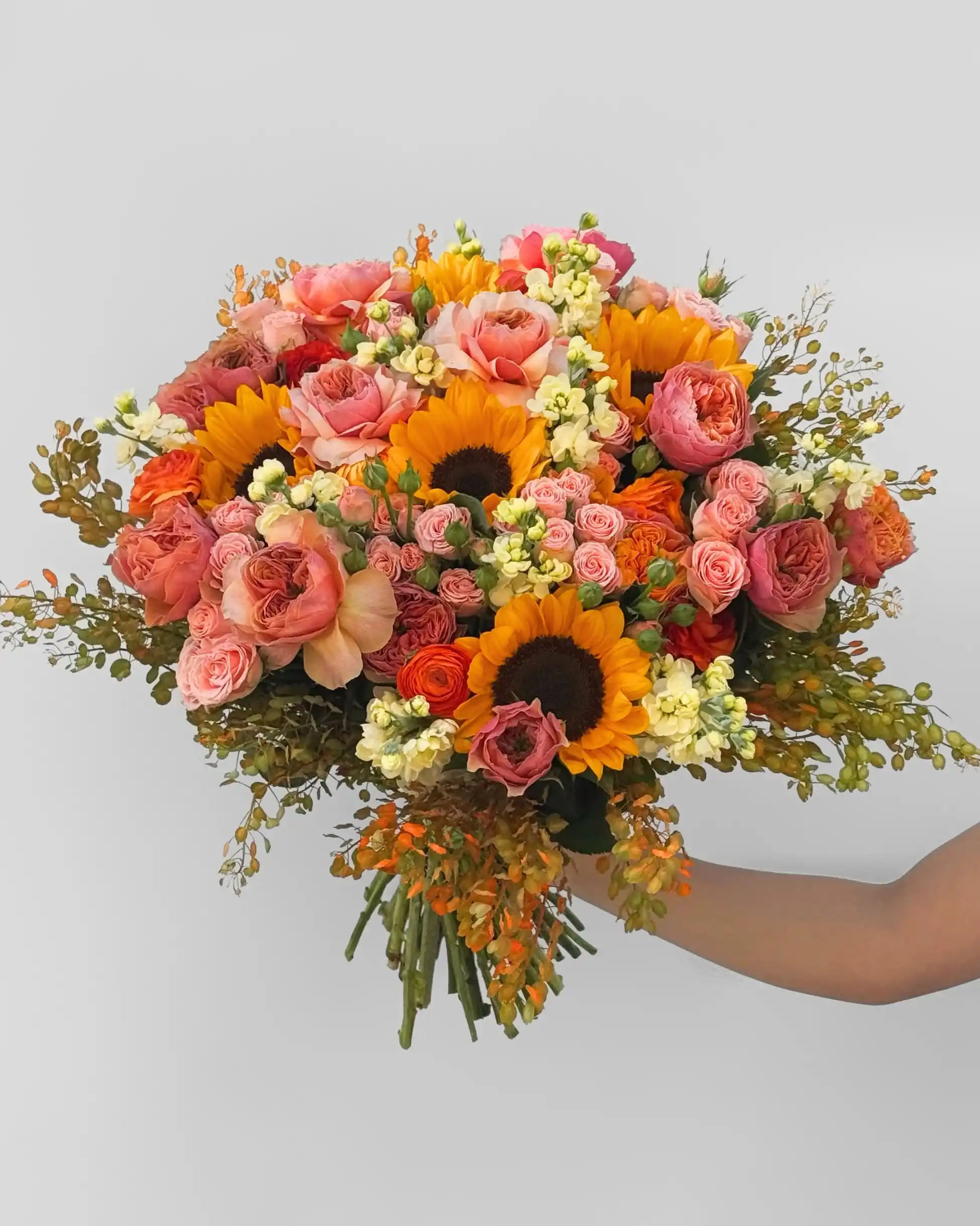
It is hard to think of another flower that can instantly bring a genuine smile to your face, lift your spirits, and radiate pure, unadulterated joy the way a sunflower does. With their bright, golden petals and proud, open faces, these blooms do not just brighten up a dark room—they completely shift the mood of a space. In this post, we will dive into what do sunflowers symbolize on a deeper level, how they became a magnet for good luck, and why sharing them is like sending a warm hug to the people you care about most.
What Is the History of Sunflowers, and Where Did Their Symbolism Originate?
When Spanish explorers first brought the seeds over to Europe in the 1500s, people went crazy for them. Soon enough, they became a huge hit with artists, too. Just look at Vincent van Gogh—for him, sunflowers were all about loving life, being grateful, and remembering that there's always light at the end of the tunnel, even when things get really messy.
Why Are Sunflowers Associated with the Sun, Life, and Positive Energy?
Even just looking at the color works like a quick mental battery recharge for our brains. Psychologists say that this vibrant yellow hue immediately triggers feelings of warmth, safety, and comfort. Putting a fresh arrangement where the deep sunflower bouquet meaning stands for pure vitality right on your desk or kitchen table helps melt away daily stress, sparks your creativity, and just makes the whole house feel a lot happier. It’s honestly nature's finest mood booster.
Which Flowers Pair Best with Sunflowers in Floral Arrangements?
A sunflower is naturally a heavy hitter, it has a bold personality and a massive presence, but it plays incredibly well with others when styled correctly. Because its golden-orange center is so warm and rich, it looks absolutely stunning when paired with cool, contrasting tones. Deep blue hydrangeas, purple delphiniums, or elegant blue irises create a striking, editorial contrast that feels sophisticated, modern, and high-end.
If you prefer a softer, more rustic country vibe, you can easily lean into a textured, autumnal look. Try softening the bold yellow by pairing them with creamy spray roses, fluffy white lisianthus, dried wheat stalks, and rich green eucalyptus leaves. This combination feels incredibly cozy, voluminous, and smells exactly like a lazy afternoon in late summer.
Are Sunflowers Considered Flowers that Bring Good Luck?
Yes, and this belief spans multiple cultures around the globe! In practices like Feng Shui, the sunflower is considered one of the most powerful symbols for attracting financial luck, wealth, and career advancement. Its center, packed tightly with a grid of seeds, is a direct metaphor for abundance, growth, and constant prosperity.
If a close friend is launching a startup, starting a new job, taking a big exam, or moving into a new apartment, a bouquet of these bright blooms is the perfect silent cheerleader. Without saying a single word, you are sending a clear message: "You've got this, keep your head high, and chase your goals!"
FAQ
What Emotions Do Sunflowers Express? While red roses are all about fiery romance and loud, passionate declarations of love, sunflowers speak to something a bit more grounded, reliable, and deep. They stand for genuine admiration, unwavering loyalty, lifelong friendship, and pure, unconditional warmth. Bringing these flowers to someone simply says, "I just want you to be happy, and I'm so incredibly glad you're in my life."
For Which Occasions Are Sunflowers Most Commonly Chosen? A gorgeous yellow arrangement is a brilliant choice for graduations, promotions, a mother’s birthday, or a celebratory thank-you gift for a coworker. But honestly, the absolute best time to give them is for no reason at all. Showing up with a handful of sunshine on a gloomy, rainy day is the ultimate random act of kindness that people never forget.
How Long Do Sunflowers Stay Fresh After Being Cut? With just a little bit of basic care, cut sunflowers can happily thrive in a vase for about 8 to 12 days. The golden rule is to trim their thick stems at a sharp angle with a sharp knife, change the water every single day so it stays ice-cold, and strip away any lower leaves so they don't sit in the water and create bacteria.