


How to Choose the Size, Shape, and Volume of a Bouquet
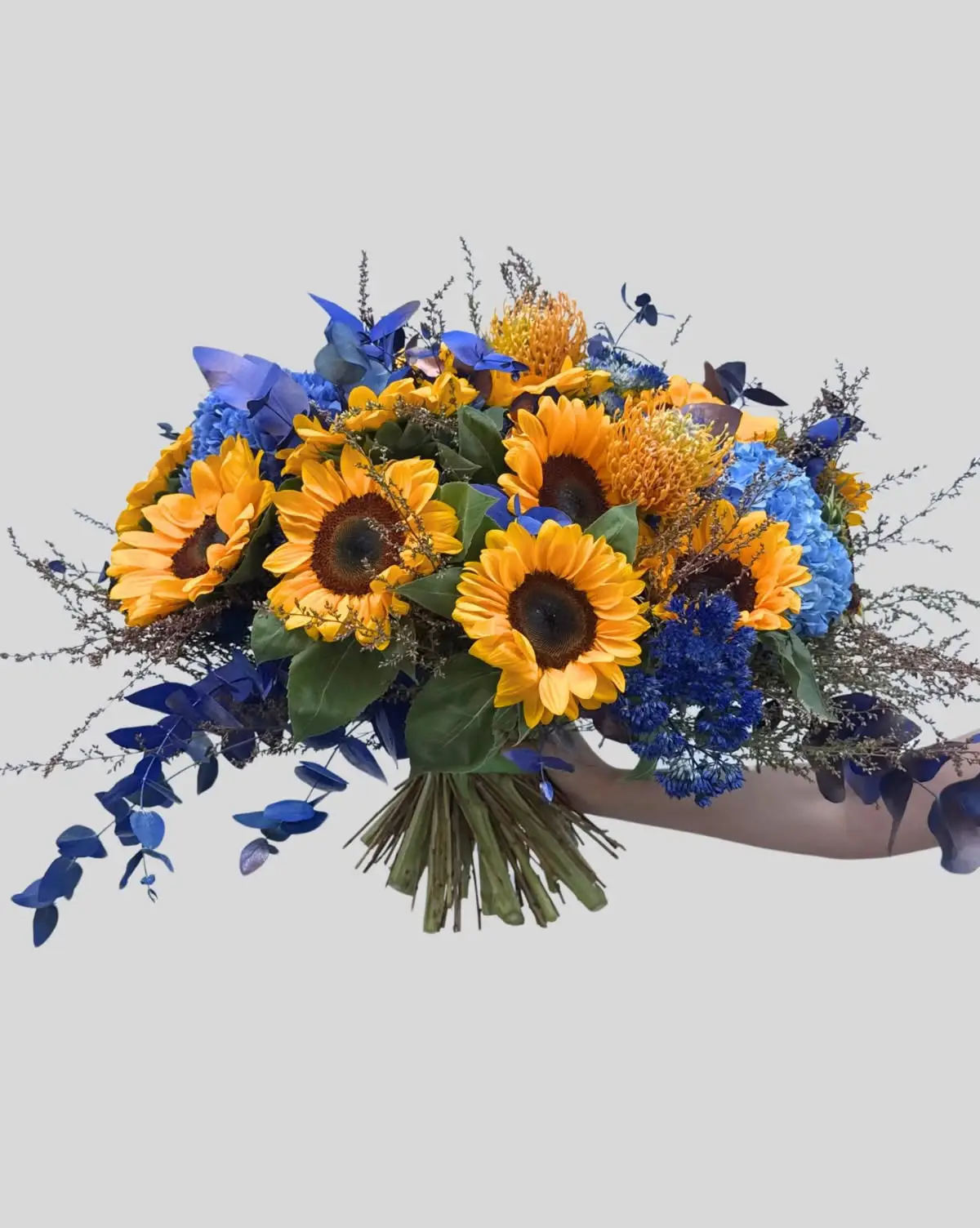
Florists combine different varieties through an intentional balance of scale, silhouette, and tonal harmony, ensuring that every blossom complements rather than competes with its neighbor. Selecting the right proportions, contours, and physical presence transforms loose stems into an organic work of art that feels effortless, cohesive, and deeply personal.
Why Is It Important to Choose the Right Bouquet Size?
Deciding on the scale of an arrangement is far more than a stylistic preference; it is a practical consideration that directly shapes how the recipient experiences the gift. A display should naturally fit the setting where it is handed over. If you are meeting someone for a quiet dinner at a restaurant, attending a theater premiere, or taking an evening stroll, an oversized and heavy arrangement quickly becomes cumbersome. In such intimate moments, thoughtful bouquet selection leans toward compact, ergonomic designs that can be carried comfortably without getting in the way.
Equally important is what happens once the flowers reach their final destination. Figuring out how to choose a bouquet means picturing where it will ultimately rest. In cozy living spaces or modern work areas, sprawling arrangements can overwhelm available surfaces, crowd dining spaces, and demand large, heavy vases that may not be on hand. An appropriately scaled piece naturally enhances the decor, bringing beauty into the room without creating unnecessary maintenance hurdles.
When Is a Large and Voluminous Bouquet a Better Choice?
Expansive, statement-making pieces have an undeniable power when matched with significant, celebratory milestones. They naturally belong at wedding receptions, landmark anniversaries, gallery openings, and corporate galas hosted in open venues with high ceilings. In expansive spaces, petite arrangements easily get lost in the architecture, whereas a generous, multi-dimensional display sets a festive tone and honors the significance of the event.
Large designs are also ideal when arranged for direct home delivery. When an arrangement is brought straight to the recipient's door, there is no need for them to navigate transport or hold it for hours. Modern floristry achieves generous presence not simply by packing dozens of identical heads together, but by building airy architecture with textured greenery, branching stems, and flowering foliage. Local studios like Mon Amie, a premier flower shop in Yerevan, master this technique by creating sculptural, flowing pieces that feel opulent yet gracefully balanced.
Why Is It Important to Maintain the Proportion and Balance of a Bouquet?
A successful floral arrangement relies on the structural principles of proportion and visual weight. If the top of an arrangement is excessively heavy while the base is narrow and light, the entire piece feels top-heavy and risks toppling over once placed in water. Professional bouquet design relies on classic compositional rules—such as the golden ratio—ensuring that the visible height of the flowers matches the height and volume of the container or binding stems beneath.
Balance also guides how colors, textures, and varieties interlock across the piece. Focal blooms with saturated tones, dense petals, or broader surfaces are typically anchored closer to the lower and central axes of the arrangement to provide grounding. Delicate filler stems, wispy grasses, and arching greenery are positioned along the outer edges to create movement and space. When these elements work together seamlessly, the eye glides across the bouquet, appreciating the distinct beauty of each botanical variety as part of a united design.
FAQ
How Do You Choose the Right Bouquet Size?
Consider the destination, the setting of the presentation, and everyday convenience. For dates, casual outings, or office desks, medium-to-petite designs are practical and polite. For major life milestones, formal celebrations, and home deliveries, expansive arrangements deliver an unforgettable impression.
How Is the Shape of a Bouquet Chosen?
The silhouette is guided by the flowers' natural growth patterns and the intended atmosphere. Classic round designs convey timeless formality and symmetry, while elongated, cascading, or loose asymmetrical styles offer modern, meadow-inspired movement that suits contemporary aesthetics.
Should the Size of a Bouquet Match the Recipient’s Height?
Yes, scale and proportion relative to the person carrying the flowers matter significantly, especially for bridal or portrait arrangements. A massive arrangement can easily overshadow someone with a petite frame, while an understated posy can look visually lost when held by someone tall. Matching the arrangement to the person's silhouette ensures a harmonious overall look.