


How Do Florists Combine Different Flowers in a Single Bouquet?
Walk into any flower shop, and watching a designer at work can feel a bit like magic. But beneath that effortless beauty is a subtle balance of color theory, geometry, and a bit of plant chemistry. Arranging stems isn't just about gathering pretty blossoms—it's about knowing which varieties play well together and how to layer them so every flower has room to breathe.
Understanding how a professional florist pairs different stems gives you a much better appreciation for the craft, helping you choose arrangements that stay vibrant and fresh in your vase for days.
Why Is the Right Combination of Flowers Important for Creating a Beautiful Bouquet?
Building a bouquet goes way beyond picking colors that match. When planning a great flower combinations layout, a designer considers both how the arrangement looks and how the plants behave together. Certain stems release sap or compounds in water that can actually cause delicate neighbors to wilt prematurely, so knowing which species thrive side-by-side is key to a long-lasting gift.
Beyond the biology, thoughtful pairing ensures every blossom gets its moment in the spotlight. When the elements are balanced, the finished flower bouquet feels relaxed, layered, and naturally striking rather than crowded or chaotic.
Which Flowers Are Most Commonly Paired Together?
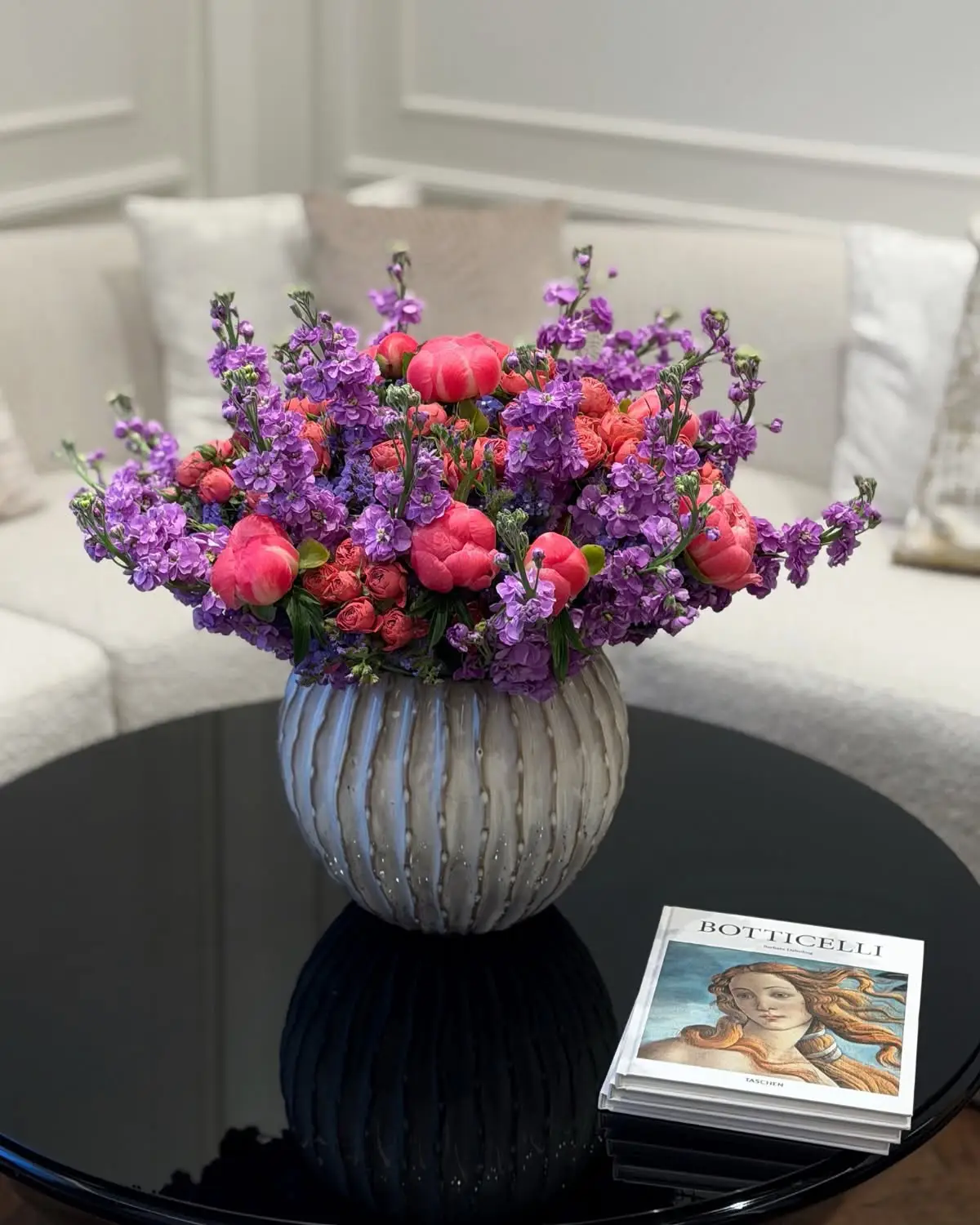
In the world of modern floristry, a few classic pairings pop up again and again because they simply work. Large, focal blooms like garden roses, full peonies, or lush hydrangeas pair beautifully with airy accents like eucalyptus, gypsophila, or spray alstroemerias. This contrast adds richness and depth without making the piece feel heavy.
Wildflower-inspired and garden-style arrangements are just as popular. Here, tulips, daisies, and chrysanthemums come together alongside textured botanical greens. The secret to making these combinations sing is using strictly fresh flowers so every stem opens naturally and stays lively on the same schedule.
Why Is It Important to Combine Flowers with Different Shapes and Textures?
Mixing different shapes and surfaces is what gives an arrangement its personality, movement, and touchable dimension. If every bloom in a vase is the same round shape, your eyes get bored quickly. To keep things interesting, florists blend focal "face" flowers with tall, reaching stems (like delphinium or snapdragons) and soft, delicate fillers.
Playing with contrasting textures—putting velvety petals next to glossy leaves or dried botanical elements—creates a wonderful visual balance. The result is a dynamic floral arrangement that looks a little different from every angle you view it.
Frequently Asked Questions (FAQ)
Does the Color of Flowers Play an Important Role in Bouquet Design?
Absolutely. Color sets the entire mood before you even notice individual stems. Designers use color harmony—whether sticking to monochromatic tones, soft pastels, or bold contrasting shades—to evoke specific feelings. The right color choice ensures your flower bouquet hits the exact emotional note you intend, from quiet comfort to high energy.
Can Seasonal and Out-of-Season Flowers Be Combined in One Bouquet?
Yes! Modern floristry loves combining seasonal highlights (like spring tulips) with year-round classics (like roses or orchids). As long as you choose healthy, fresh flowers and make sure their water and light needs are similar, mixing seasonal elements creates a wonderfully unique design.
What Are the Most Common Mistakes When Combining Different Flowers in a Bouquet?
The most frequent missteps are crowding too many competing focal flowers into one space, pairing incompatible stems (like putting daffodils in the same vase water as roses without prepping them), and wrapping the stems so tightly that the blossoms lose their natural shape. Working with a skilled florist helps you bypass all these common traps.
Mastering the balance of floral pairing turns simple stems into memorable works of art. By pairing colors, shapes, and textures with care, every floral arrangement becomes a thoughtful gesture. Trusting the process guarantees you'll share a stunning flower bouquet that leaves a lasting impression.