


Basic Rules of Bouquet Arrangement
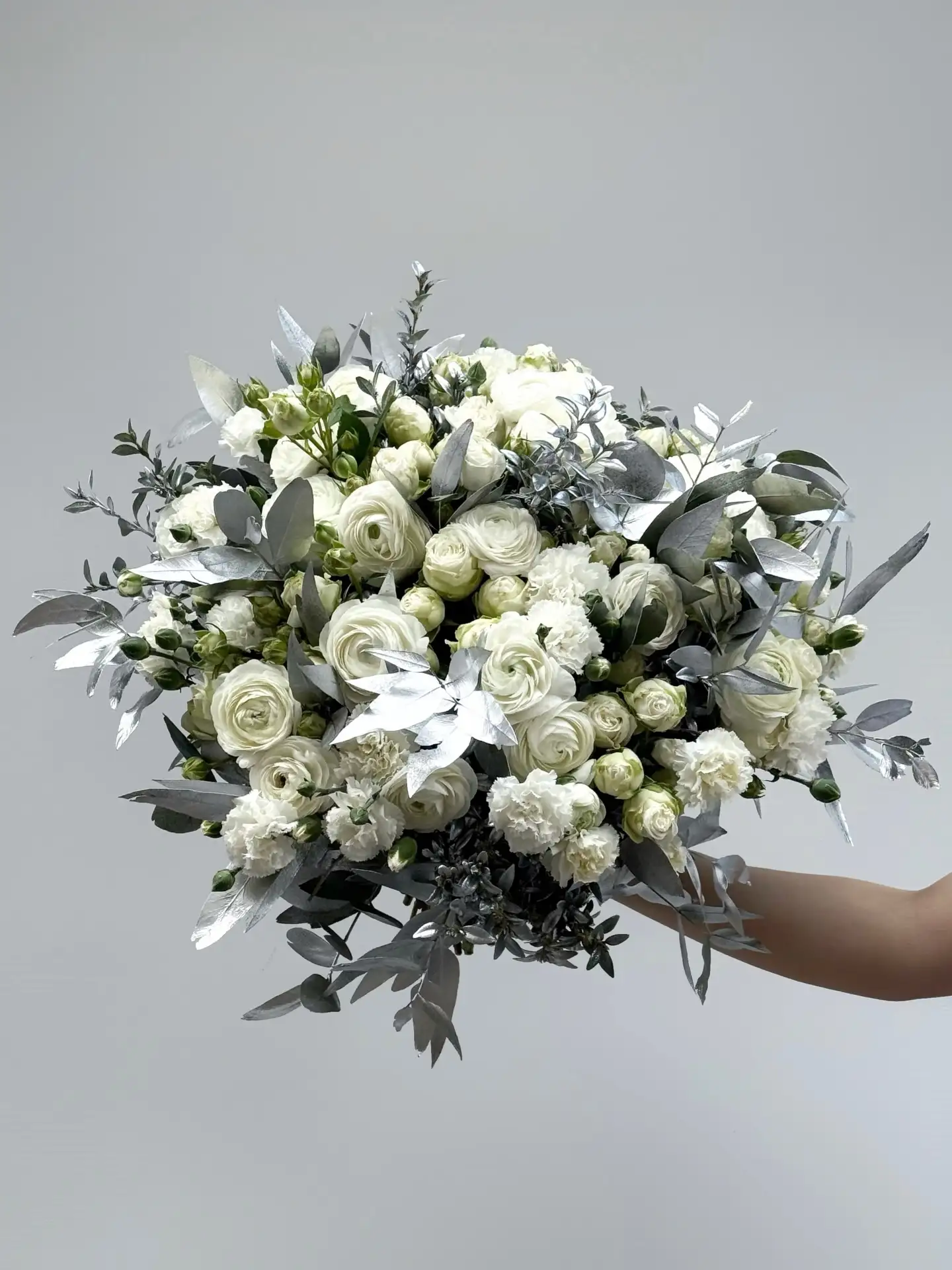
There’s something almost magical about a fresh bunch of flowers. They have this unique ability to change the mood of a room or make someone’s entire week better just by sitting on a table.
Floral arrangement is an art, but it’s an art built on a few very practical foundations. You don’t need to be a master florist to create something stunning, but you do need to understand the "why" and "how" behind the stems.
Why is it important to arrange a bouquet correctly?
You might think that as long as the flowers are pretty, the arrangement doesn’t matter. However, a proper arrangement is about more than just looks. When you organize a bouquet correctly, you’re actually giving each stem its best chance at life.
From a visual perspective, correct arrangement creates a "focal point", a place for the eye to rest and then wander through the different textures. Without this, the bouquet can look cluttered or overwhelming. More importantly, proper technique ensures better airflow between the heads and prevents the stems from crushing one another. This allows them to drink water more efficiently, meaning your gift stays fresh and vibrant for days longer than a haphazardly tossed bunch would.
How to choose flowers for a bouquet?
Choosing the right ingredients is the most exciting part of the process. If you’re planning to order flowers for delivery, you want to look for a mix that offers variety in three specific areas: scale, shape, and "role."
- The Stars (Focal Flowers): These are the big, show-stopping blooms like Peonies, Hydrangeas, or large Roses. You usually start with these.
- The Supporting Cast: These are slightly smaller flowers that complement the stars without stealing the spotlight. Think of Spray Roses, Lisianthus, or Carnations.
- The Texture and Greenery: This is what separates a professional bouquet from an amateur one. Eucalyptus, Ferns, or even Waxflowers add that "wild" and organic look that makes a bouquet feel high-end.
A pro tip: always check the stems. They should be firm and green, not slimy or brown. If you’re picking them out yourself, look for "sleeping" flowers: blooms that are just starting to open, so they can "wake up" once they are in the vase.
How to choose the bouquet size for different occasions?
Size really does dictate the "vibe" of the gift. It’s easy to think that bigger is always better, but that isn't always the case.
- Intimate Gestures: For a first date, a "get well soon" wish, or a simple "thank you," a small to medium-sized bouquet is often best. It’s thoughtful but not burdensome.
- Major Milestones: For anniversaries, big birthdays, or Valentine's Day, you want something lush and significant. A large, overflowing arrangement says, "I really went all out for you."
- Home Decor: If you are buying for your own dining table, keep it medium. You want people to be able to see over the flowers while they eat!
If you’re ever unsure about what fits the moment, visiting a reputable flower shop Yerevan can give you a better sense of scale. Seeing the arrangements in person helps you realize how a "medium" bouquet can still feel incredibly luxurious.
What mistakes to avoid when arranging a bouquet?
Even with the most beautiful stems, a few common mistakes can bring down the quality of your work.
First, avoid the "flat-top" look. Beginners often cut all the stems to the exact same length, making the bouquet look like a mushroom. Instead, vary the heights slightly to create depth. Second, never leave leaves below the waterline. Any foliage sitting in the vase water will rot, creating bacteria that will kill your flowers prematurely.
Lastly, don’t ignore the vase. A vase that is too wide will make your bouquet fall apart and look thin. A vase that is too tall will hide the blooms. Aim for the flowers to be about 1.5 times the height of the container. For those who want the perfect look without the stress, Mon Amie specializes in creating balanced, professional arrangements that take all these technical details into account for you.
FAQ
How many types of flowers can be used in one bouquet?
While there’s no "illegal" number, a good rule of thumb for a balanced look is 3 to 5 different varieties. This includes your main focal flower, a secondary flower, and a couple of fillers or greens. Too many types can make the bouquet look "busy" and lose its harmony.
How to choose the right color combination for flowers?
If you’re nervous about color, stick to a "monochromatic" scheme using different shades of the same color (like deep reds, pinks, and blushes). It’s almost impossible to get wrong and looks very elegant. For something more energetic, try "analogous" colors, which are neighbors on the color wheel, like yellows and oranges.
How to make a bouquet look more delicate and beautiful?
The secret to a "delicate" look is "airiness." Don’t pack the flowers too tightly. Let some of the lighter, daintier stems stand a bit taller than the rest so they can "dance" above the heavier blooms. This creates a soft, whimsical movement that feels much more natural and sophisticated.