


Why Do Flowers Wilt So Quickly? The Most Common Flower Care Mistakes
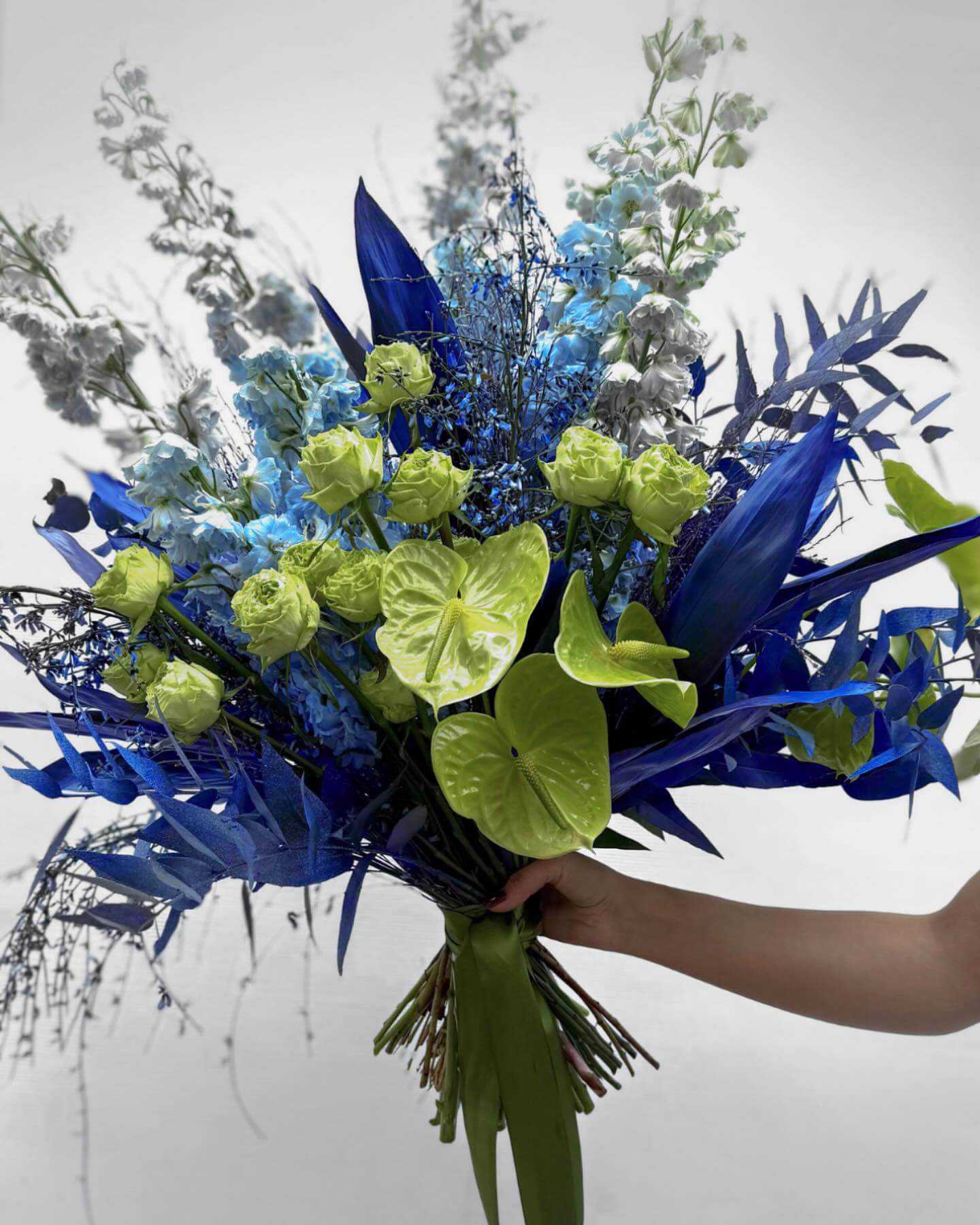
There’s something almost magical about the way a fresh bouquet transforms a home. It’s not just the pop of color; it’s that instant boost of mood and the way the air seems a little lighter. But we’ve all been there: you receive a stunning arrangement, and just two days later, the heads are bowing and the petals look tired. It’s heartbreaking, and usually, our first thought is, "Maybe they weren't fresh when I got them."
The truth is actually much more hopeful. Most flowers don't fade early because of their age, but because of tiny, invisible hurdles they face once they hit the vase. Think of it this way: a cut flower is like a guest in your home that needs a very specific type of hospitality.
Why does improper water use cause flowers to wilt faster?
Water is the lifeblood of your bouquet, but not all water is created equal. One of the most common mistakes is placing flowers into ice-cold water straight from the tap. Extreme temperatures can shock the plant's vascular system; instead, lukewarm or room-temperature water is ideal because its molecules move faster and are more easily absorbed by the stem.
Beyond temperature, cleanliness is paramount. We often forget that a vase is a breeding ground for bacteria. When leaves are left on the part of the stem that sits below the waterline, they begin to decompose. This decay releases microorganisms that physically plug the microscopic "straws" (xylem) within the stem. Once these pathways are blocked, the flower can no longer draw up nutrients, leading to a quick death even in a full vase. If you order flowers for delivery, make it your first priority to strip any submerged foliage before setting them in their new home.
Why is it important to regularly refresh flower stems?
Think of a flower stem like a living straw. The moment a stem is cut, it begins to heal itself by forming a seal, much like a scab on human skin. Furthermore, if a stem is out of water for even a few minutes, air bubbles can get trapped inside the vascular tissue: a phenomenon known as an embolism. This air lock prevents water from reaching the bud.
To combat this, you must recut the stems at a 45-degree angle using sharp, clean shears or a knife. A slanted cut provides more surface area for water intake and prevents the stem from sitting flat against the bottom of the vase, which would block suction. This isn't a "one and done" task; you should refresh the cut every couple of days. Even the most prestigious flower shop Yerevan has to offer can only provide the foundation; the longevity of the bloom depends on you keeping those "straws" open and clear.
Why does the wrong environment shorten the lifespan of flowers?
We often place bouquets in the center of a sunny dining table or on a kitchen counter, but these are often the worst spots for floral longevity. Direct sunlight and drafts from air conditioners or heaters accelerate "transpiration", the process by which a plant loses moisture through its leaves and petals. When a flower loses water faster than it can drink it, it wilts.
A less obvious environmental killer is the kitchen fruit bowl. Ripening fruits, especially apples and bananas, emit ethylene gas. In the plant world, ethylene is a ripening hormone. While it's great for softening an avocado, it is lethal for cut blooms, causing them to age rapidly, drop their petals, and turn brown. If you want your flowers to last, keep them in a cool, shaded spot away from the fruit basket and the TV (which also emits heat).
Why can’t all flowers be combined in one bouquet?
Floral chemistry is real, and some flowers simply do not play well with others. This is often referred to as "allelopathy." For instance, daffodils and hyacinths are notorious for secreting a toxic sap once their stems are cut. This sap can act as a poison to other sensitive varieties like roses or tulips, causing them to wilt within hours of sharing the same water.
If you are looking to order flowers for delivery that feature a variety of species, professional florists usually pre-condition these "toxic" stems to ensure they are safe for a mixed arrangement. However, if you are DIY-ing a bouquet from different sources, it is vital to research which flowers are "loners." Mixing the wrong stems is a surefire way to see a beautiful arrangement collapse prematurely.
Frequently Asked Questions (FAQ)
How long can fresh flowers last with proper care? Depending on the variety, a well-cared-for bouquet can last anywhere from 7 to 14 days. Hearty varieties like orchids, carnations, and alstroemerias are known for their longevity, while delicate blooms like sweet peas or peonies have a shorter vase life of about 5 days.
How often should the water for flowers be changed? Ideally, you should change the water every single day, or at the very least, every other day. If the water looks even slightly cloudy, bacteria have already taken over. Always rinse the vase thoroughly with soap before refilling it to kill any lingering microbes.
Do flowers need special nutrients or flower food in the water? Yes. Those little packets that come with your bouquet are not a gimmick. They contain a precise mix of carbohydrates (sugar for energy), acidifiers (to balance the water's pH and help it travel up the stem), and bleach (to inhibit bacterial growth). Using flower food is one of the most effective ways to ensure your flowers reach their full potential.
Ultimately, the secret to a long-lasting bouquet is a combination of professional sourcing and attentive home care. When you choose a high-quality flower shop Yerevan residents trust, you are starting with stems that have been handled with expert precision from the moment they were harvested. To experience the difference that premium quality and expert design make, you can find stunning, long-lasting arrangements at Monamie, where every bloom is treated with the respect it deserves to ensure it stays fresh in your home for as long as possible.